

What are you looking for?
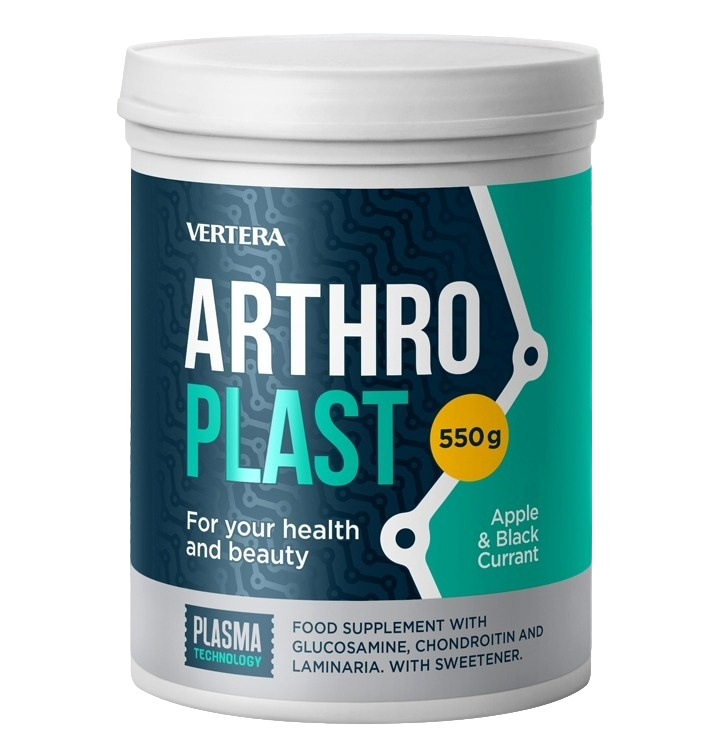
Arthroplast
Healthy food, an additional source of chondroitin sulfate and glucosamine for physical activity.
- Endurance
- Muscle function
- Resource recovery
- Joint-ligament capacity
- Cartilage, ligament, joint, and connective tissue support
- Flexibility
- Cushioning
- Movement
- Post-exercise recovery
Art.712
Net550 g
Gross600 g
Volume1 ml
Price: 3125 ₽ 4690 ₽Price after registration
Build your set4
Vertera Forte
Price: 2200 ₽ 3300 ₽
Price after registration
AngioLive Mask
Price: 2500 ₽ 3750 ₽
Price after registration
Active ingredients
*Click on the card to learn more about the component
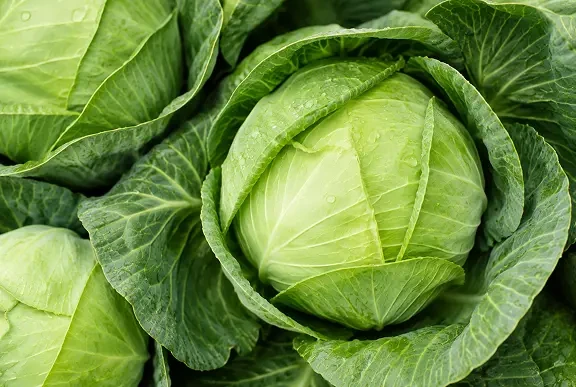
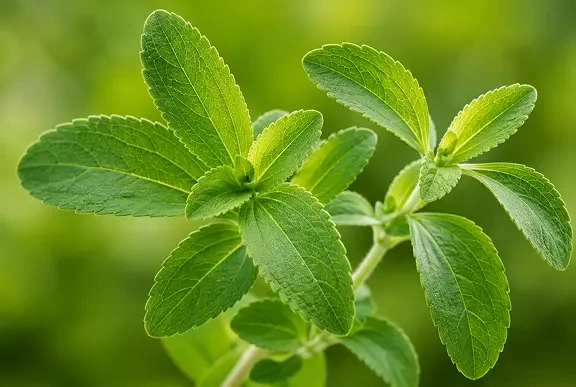
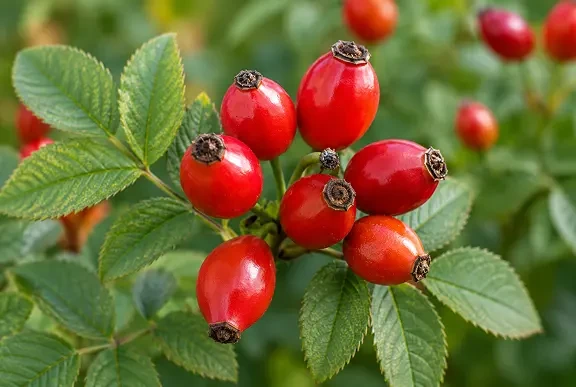
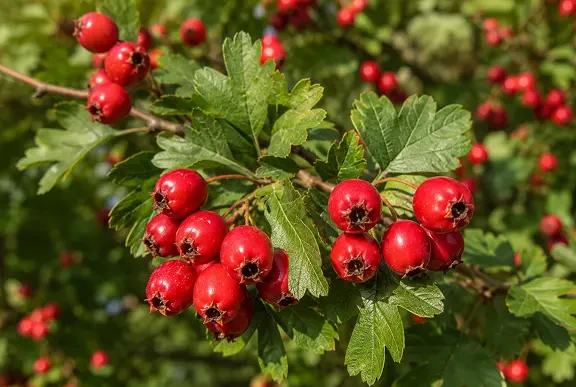

Самый ценный продукт для моего здоровья на сегодняшний день. Мне 63 года, я сегодня могу уже гордиться собой, что смогла вынести 13 операций, связанных с восстановлением костной ткани челюстной, установить в данную нарощенную костную ткань импланты и установить на них коронки, И самое важное для меня, что я теперь могу как и прежде улыбаться. радоваться жизни и кушать практически всю пищу, а не только протертую тюрю. И в процессе всех этих экспериментов над своим здоровьем мне помогали в комплексе все продукты линейки Вертера, но Артропласт - это то, что дало возможность останавливать кровотечение быстро, то, что помогало вообще восстанавливать довольно успешно костную челюстную ткань. И на сегодняшний день Артропласт - это великолепный помощник при снятии суставных болей, особенно при работе в саду и огороде. А так как много работаю за компьютером, то Артропласт облегчает спинные нагрузки. Кроме того он используется в моей семье при ушибах( нанесение на больное место) снимается отеки, быстрее обычного идет заживление синяков и ран. К тому же это вкусный продукт, так как содержит в своем составе яблочный сок и сок черной смородины.
Мне 61 год, три месяца назад заболело правое колено. Боли при нагрузке. Употреблял базовый гель утром 2 ложки, и вечером артропласт. 1 ложку перед ужином, за полчаса. Перед сном артропласт наносил на колено обертывал пищевой плёнкой. Оставлял на 40 минут. На пятый день боль существенно уменьшилась.
Прошло 40 дней, боль еле слышна.
Работа продукта впечатляет.
Артропласт - это то питание, которое мне заменила противовоспалительные, обезболивающие, восстанавливающие, регенерирующие, кроворазжижающие аптечные препараты после операции на колене по восстановлению крестообразной связки и удалении заднего мениска.
После операции всегда выписывают этот перечень 👆
Мой послеоперационный период прошёл только на Артропласте.
Прошло уже более 9 лет. Колено в порядке. Я хожу, бегаю, танцуют, веду активный образ жизни.
И за всё это время колено меня ни разу не подвело.
Кроме этого в те же годы я ломала трижды правую руку. На сегодня мои кости крепкие. Я так же падаю иногда, но целёхонька.
Как говориться: Упала, встала, отряхнулась и пошла дальше.
В мою жизнь вернулись каблуки 😇
Артропласт - незаменимый помощник в укрепление нашего порно двигательного аппарата.
Не ждите, когда у вас начнутся ломаться кости, рваться связки, появляться грыжи . Просто принимайте Артропласт. И будьте здоровы, активны в любом возрасте.
Спасибо компании, что у нас есть такое питание!!!
Продукт очень хорош по вкусовым качествам, При диабете 1 типа сахар не повышался. Принимала по поводу "летучих болей в суставах", боли прошли, подвижность улучшилась. Буду брать еще.
Моей маме 76 лет, два года назад упала порвала связки на руке, потому что совсем плохо ходила, ноги болели и она постоянно, где нибудь да упадёт, а живет одна, мы далеко, я очень переживала. В конце марта 2022 отправила маме базовые гели, и месяц назад она начала пить гель Артропласт. 14 июля 2022 позвонила и сказала, что ходила за грибами, и когда домой пришла, поняла, что ноги не болят. Сказала мне, что завтра опять пойду раз ноги появились. Сказать, что я счастлива, ничего не сказать, наконец моя мама не будет падать🙏🙏🙏
Артропласт-это продукт, с которого началось мое знакомство с Вертера! Я ждала результат и он был сразу у всей моей семьи: у мамы и сестры прошли судороги в ногах, у меня стали очень крепкими ногтевые пластины, и мне сразу захотелось работать с таким продуктом, который нужен всем!!!
Пью артропласт ежедневно с 13 апреля по 2 ложки вечером. Я в восторге.
Долгие годы мучилась болями в пояснице. По утрам не могла встать с кровати. Пока не сделаю упражнения на позвоночник не могла начать нормально свой день. Сейчас заметила, что боли в пояснице полностью прошли, как то сами по себе. Также работа связана с тем, что приходится много ходить по работе. И к вечеру уставали ноги. Я стала на ночь перед сном делать обертывания с нашим гелем артропласт. Держала по 1-1.5 часа. Результат просто ошеломляющий. Ступни перестали болеть. Иногда также делаю аппликации и на шейный отдел позвоночника. Прекрасно справляется наш гель и с этой болью.
Благодарю компанию, за то, что открыли для нас сокровища моря для нашего здоровья 🙏❤️
Гель Артропласт+Хондроферол+фитокомплекс Артромикс ем три месяца каждый вечер и чуствую значительные улучшения!Суставы перестали скрипеть и щелкать,стала более подвижной и пластичной,спокойно могу сделать глубокое приседание(ещё недавно это было очень сложно),вверх по лестнице раньше заползала,а теперь взлетаю!Это чудо- продукты с волшебным действием!!!Рекомендую всем!!!
Здравствуйте,меня зовут Елена Алексеева,мне 66 лет. В компанию я пришла в ноябре 2021. На тот момент я встала на очередь на операцию левого коленного сустава с диагнозом гонартроз 3 ст.(правый коленный сустав был эндопротезирован в 2015).
Первый месяц я принимала базовый голь,а уже с декабря я начала принимать гель Артропласт, Хондроферол,после присоединила Artro mix, коллаген.
Параленьно я прошла два марафона. В январе с Катей Савченко похудела 5,5 кг в объёмах на 23 см. В марте с Аллой Балюк постройнела на 7 кг, в объёмах на 25 см. Итого с меня ушло 12,5 кг и 48 см объёма. И продолжаю худеть,главное знаю как и базовый гель мне в помощь.
И вот результат, хожу без боли в колене,занимаюсь скандинавской ходьбой,плаваю в бассейне 1,5 часа плюс три раза по 15 минут делаю перерыв на сауну. Теперь думаю нужна ли мне операция?
Но это ещё не все результаты. Всё не просто,помимо моих разбитых коленок, у меня была травма головы с сотрясением мозга и как следствие -сужение сосудов головного мозга (это все последствия автоаварии) и второй продукт, который я заказала, был Бамбук жизни. Почти сразу прошли головные боли, нормализовалось давление, в среднем стало 120/75/80. Никаких таблеток больше не принимаю вообще.
В конце марта подхватила вирус, все прошло за пять дней, температура была только первый вечер 37,5 и немного заложена грудь. Никакой микрон меня не взял.
Живу и радуюсь,что судьба привела меня в Вертеру: ем гели (сегодня ещё получила AngioLive PRO MAX),делаю обертывание,маски на лицо,мажусь Hydrate Collagen, капаю капли True Vision, пью чай "Белояр". Да, ещё никак не доберусь до программы DRR.
Вот такие мои результаты и ощущения. По сему чувствую себя вполне здоровой, постройневшей и помолодевшей. Чего и вам желаю! ❤️🙏
Отличный продукт! У меня дисплазия соединительной ткани, и постоянные боли в суставах. После месяца приема Артпласта боли ушли, суставы больше не воспаляются. Сейчас пью его вместе с хондроферолом для более лучшего эффекта.
Frequently asked questions
Still have questions?
Did not find an answer? Contact our support team: support@vertera.org