

What are you looking for?
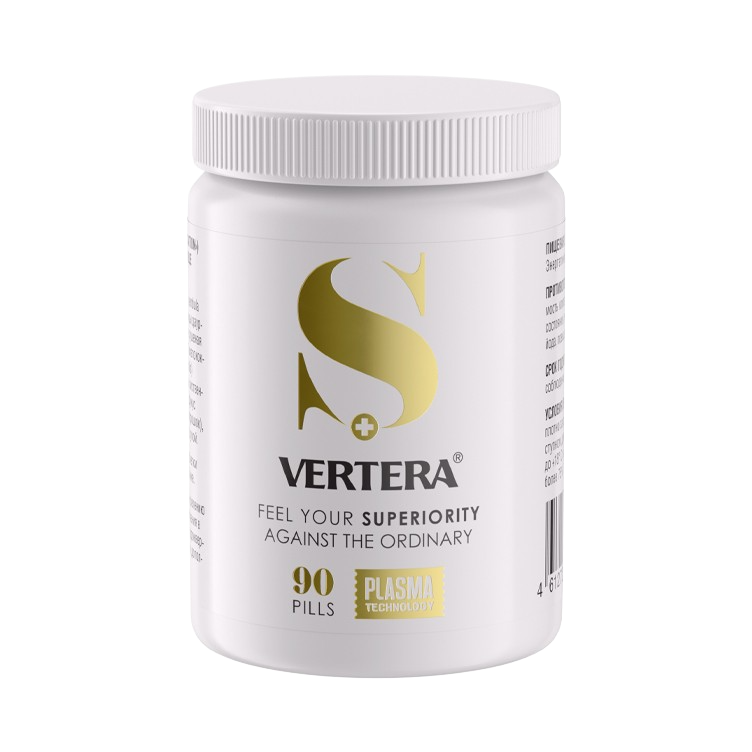
Vertera Sensation
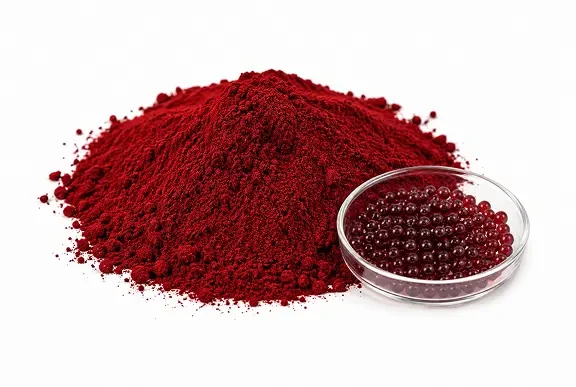
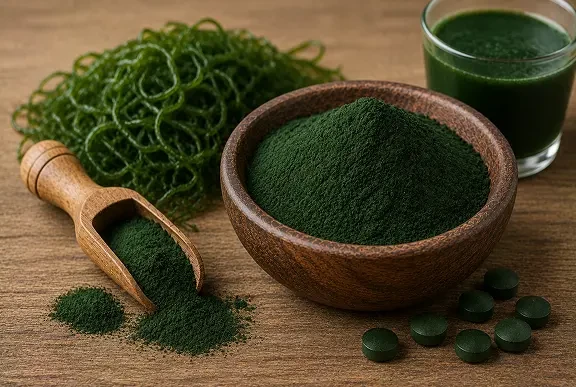
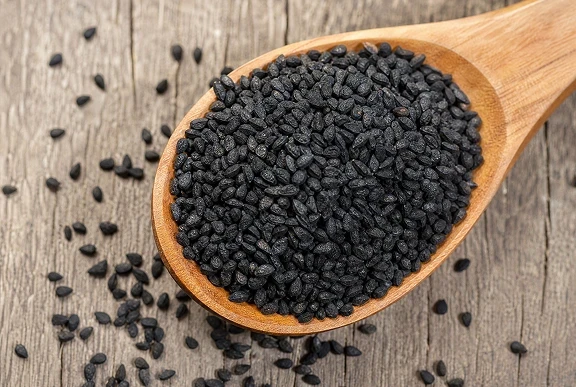
Complex of unique herbal and marine ingredients with a boosted formula for daily body nutrition and immunity strengthening.
Art.315
Net45 g
Gross67 g
Price: 4400 ₽ 6600 ₽Price after registration
Build your set2
Forte Original Lyophilizate
Price: 4400 ₽ 6600 ₽
Price after registration
Plasmax
Price: 4400 ₽ 6600 ₽
Price after registration
Active ingredients
*Click on the card to learn more about the component
Сенсейшн в нашей семье быстро прижился. Даже мои скептики муж и сын знают в любой непонятной ситуации со здоровьем пить таблетки.
- Какие?
Белая баночка с золотой S на этикетке.
Сенсейшн не раз выручал нас при воспалительных процессах, зубные или простудные . Сыну 24 года всю жизнь с простудами с остаточным кашлем по два месяца мучился . Открыл для себя чудо лекарство Сенсейшн с которым его простуда теперь не больше трех дней . Мощнейший комплекс в составе начинает действовать моментально. Теперь им обоим никаких денег не жалко на это лекарство. Кто ещё не знаком с Сенсейшеном , рекомендую обратить особое внимание на это чудо.
Мой брат принимал сенсейшен месяц, в качестве профилактики.
И как то вечером выпил спиртного а наутро похмелиться организм не попросил. Раньше был запойным.
Сейчас он, по совету одного знакомого (партнёр компании) принимает 2 шт. до приёма спиртного и утром 2 шт.
На утро самочувствие отличное.
Уже год в запои не уходит!
Слава Богу🙏 и БЛАГОДАРНОСТЬ президенту компании А.А. Хитрову за такой продукт!
Вот что всегда есть в моей аптечке! Когда мне говорят, что мол дорого, я предлагаю посчитать, сколько денег оставляют в аптеке за 1 поход, чтобы взять комплект лекарств при простуде. Мало того, что это выйдет дороже, так ещё и намного больше ущерба для здоровья! Ведь лекарствами мы одно лечим, а другое калечим! Сенсейшн действует по другому. Он помогает организму справится с причинами, природно, мощно, по всем фронтам! Посмотрите состав продукта, вы поймёте какая "волшебная таблетка" у вас в доступе! Это продукт, который помогает сберегать здоровье моей семьи. При чем, выгодно и для здоровья и для кошелька. Справляемся с простудами (если такие приключаются) за 2-3 дня вместе с Сенсейшн, гелем. Т.е. баночка у меня не на один раз получается, а стоит почти весь сезон простуд, потому что несколько таблеточек всего уходит за один раз. Рекомендую всем, особенно тем, у кого есть дети, пожилые люди, кто подвержен простудам и вирусам.
Здравствуйте! Хочу оставить отзыв по продукту, буквально вчера ребенка забрала со школы , с температурой 38.2, голос был охрипшим, состояние вялое, аппетит вовсе пропал. Как только привезла ребенка, начала давать сенсейшн по 2 таблетки каждые 2 часа + умный ребенок, к вечеру температура спала на 37.1 а утром вовсе и не было, голос восстановился и ребенок пошёл в школу. Никаких фарм препаратов не давала. Спасибо большое за продукт.🔥🔥🔥
Мы в семье называем этот препарат "Волшебные таблетки", они есть у многих моих подруг в аптечках. При первых признаказ щаболевания, сразу принимаем. В любые поездки мы берем с собой наши любимые Волшебные таблетки.
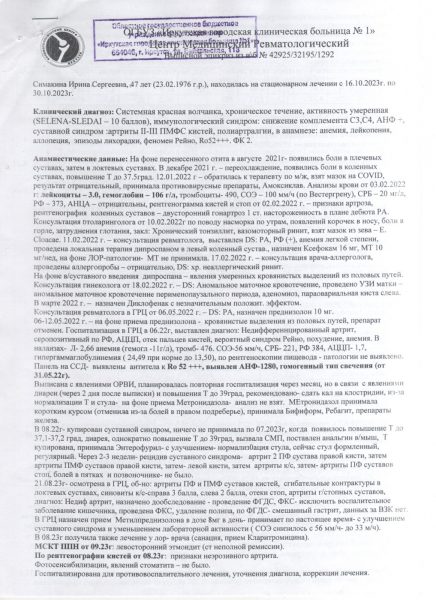
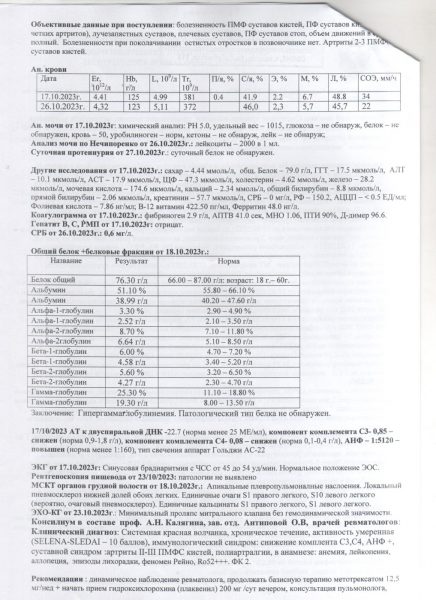
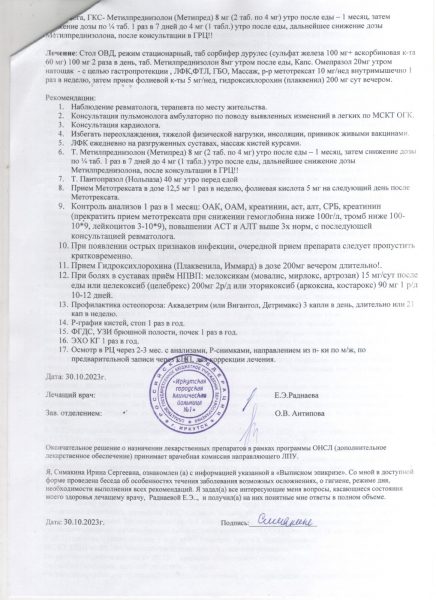
Здравствуйте. Меня зовут Симакина Ирина. Я начала прием диетического лечебного питания в крайне тяжелой ситуации. В 2022 году у меня выявили аутоиммунное заболевание в стадии обострения. Каждый день был борьбой: суставы отекали, я не могла выполнять простейшие действия, такие как отрезать хлеб или даже встать с кровати без посторонней помощи. Моя жизнь напоминала бесконечный кошмар - постоянная боль, бессонница, потеря аппетита и веса. Я чувствовала себя изможденной и подавленной.Окончательный диагноз выставили только в 2023 году.
Системная красная волчанка. Я обследовалась в платных и муниципальных клиниках, но только диетическое лечебное питание поставило меня на ноги в прямом смысле этого слова. Благодаря ему я вошла в состояние ремиссии.
Симптомы болезни:
острые боли, хруст и отеки в суставах плечевых,локтевых, кистей и пальцев рук, коленных и на стопах,
жар от 37- до 39 градусов на протяжении 7 месяцев,
бессонница, потеря аппетита и веса,
выпадение волос,
отрыжка, метеоризм, боль в области желудка и правом подреберье.
Все это удалось устранить без приема лекарств благодаря диетическому лечебному питанию за 5 месяцев приема!!!!
В первую очередь вместо противовоспалительных нестероидных препаратов я принимала Сенсейшен в паре с гелем Форте оригинал.
Принимаю диетическое лечебное питание уже 2,5 года на постоянной основе без перерыва.
Регулярно прохожу осмотры у врачей ревматологов. Они довольны. Из базисной терапии принимаю только гормональный препарат Метилпреднизолон.
Чувствую себя хорошо, живу полноценной жизнью. Создала свой телеграмм канал "Исцелился сам - помоги другому", чтобы делиться этой информацией с другими людьми.
«Таблетки» - так у нас в семье прозвали эти весёлые, рыжие, волшебные кружочки, похожие на маленькие солнышки, дарующие здоровье всем, кто с ними соприкасается. Ещё бы! Выпил «Таблетки» и забыл, что вчера внезапно разболелось горло, или начинался насморк, а может и сухой кашель прорывался наружу, скакнула температура, или продуло где-то, ломило поясницу, или в жару перегрелся на солнце, покраснели глаза, сердечко разшалилось и скакнуло давление...Да мало ли что! По старой привычке, таблетки - это то, что лечит, всегда помогает, снимает любое воспаление, приходит на помощь в любой критической ситуации. А в моей сумочке всегда под рукой. Да и в путешествие в дальние страны я без наших «Таблеток» ни за что не отправлюсь, мало ли что. Раз это название так прижилось в нашей семье, я не сопротивляюсь. Я только хочу, чтобы они были единственными таблетками в аптечках всех близких и родных мне людей. Ведь это - дар природы для нашего крепкого здоровья!
Эти витамины помогли мне сбить температуру 39 и встать на ноги за 1 день. Я благодарна компании. Отличная помощь организму
Само две таблетки на ден и енергия на макс. Изпълнявам всички задачи и имам време и за глезотийки.
Моей дочери 14 лет, и после ОРЗ затяжного и тяжелого, я стала давать сенсейшен дочери и знаете, у нас всегда долгое восстановление, а здесь я заметила сразу, что дочь активная, бодрая и нам хватило ровно 5 дней) Конечно для укрепления организма, чтоб как говорится, на все 100% мы пропили курс. Я реально отметила, что дочь восстановилась быстро, и сейчас я всегда держу в домашней аптечке сенсейшен для поддержания иммунитета-это работает🤗 и тем более полностью растительный состав, чему я и удивлена очень и в то же время рада безмерно🙌, что я нашла такой натуральный способ восстановления для моей семьи🤗
Frequently asked questions
Still have questions?
Did not find an answer? Contact our support team: support@vertera.org